
Kindness
Updated: 5 days ago
Building Your Child's Toolkit

How our kids explain Kindness:
Kindness means noticing how someone else feels and doing something to help them feel better (or just support their happiness!). It can be big or small, like sharing, saying something nice, or asking a friend to play.
Why is it important?
Kindness helps children build strong friendships and feel connected to the people around them. It teaches them to think about other people's feelings and points of view. Kindness also feels good. When children help others, they often feel happier and prouder of themselves too.
How does it help?
Neurodivergent children are just as caring as other kids, but impulsivity and attention differences can sometimes make them come across as aloof or self-centred. Many also find some social skills harder to pick up, such as taking another person's perspective, reading the room and responding to someone's emotions. Kindness can be practised and learned like any other skill.
Research shows it is worth the effort. In a study in Developmental Psychology, preschoolers who took part in a 12-week Kindness Curriculum showed greater gains in social competence and earned higher grades in social-emotional development than their peers. Children who started with the lowest social skills made the biggest gains. Another study in the journal Emotion found that doing acts of kindness for others boosted well-being more than doing nice things for yourself .
Kindness also supports self-esteem. When children see that they are capable of helping others, their outlook on themselves can change too.
Build Kindness at Home with Your Child!
Children learn kindness by seeing it, doing it and being noticed for it. Try these ideas together.
Activities to try:
Model it. Let your child see you help a neighbour, thank a cashier or check on a friend.
Say thank you often. Thank every family member for small helpful acts, so kindness becomes part of everyday life.
Name the feeling. Ask, "How do you think they felt?" when reading books, watching shows or after a playdate.
Kindness jar. Write simple kind acts on slips of paper and pick one each day.
Give back together. Pack donations, bake for a neighbour or make a card for someone who needs a smile.
Catch them being kind. Point out kind moments right away: "You waited for your brother. That was kind."
Kind words to yourself too. Remind them that kindness includes how they speak to themselves (see Self Love).
Recommended Resource
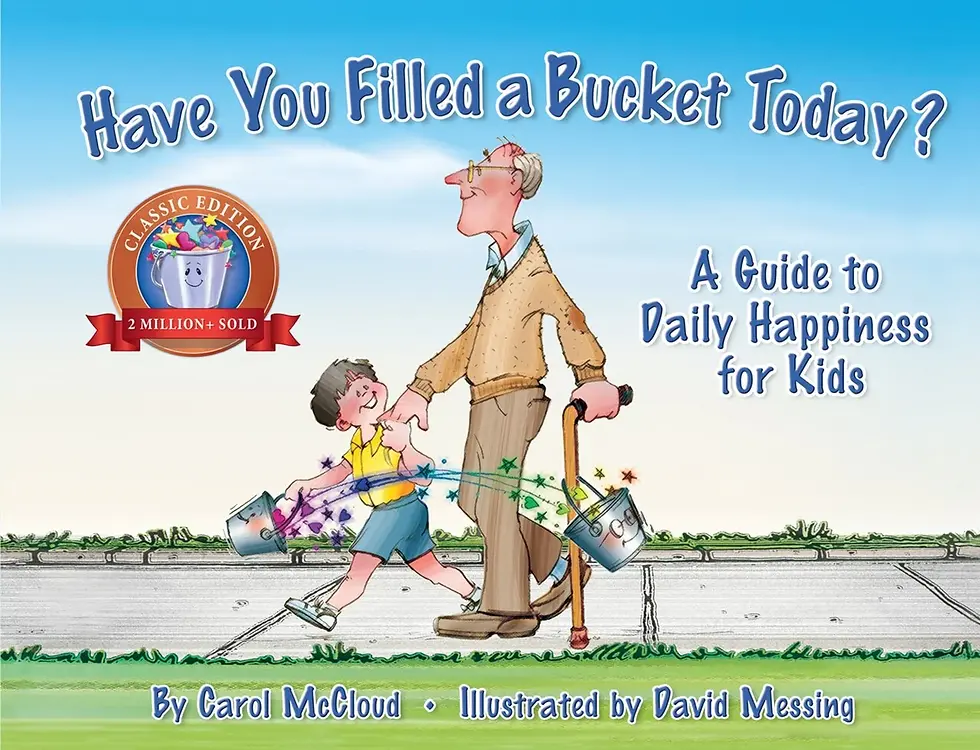
Have You Filled a Bucket Today? A Guide to Daily Happiness for Kids by Carol McCloud.


Comments